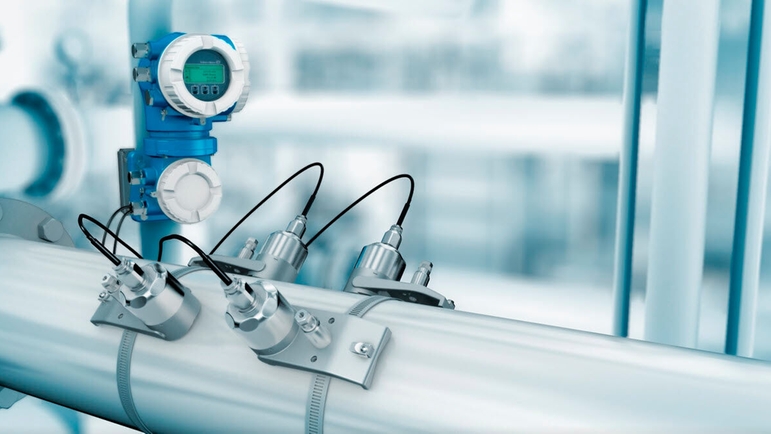
Ultrasonic Level Sensor
Ultrasonic level sensors are essential tools widely used in various industries for accurate level detection of liquids and solids.
Enquire Now
Ultrasonic Level Sensor
Ultrasonic level sensors are essential tools widely used in various industries for accurate level detection of liquids and solids. These devices utilize ultrasonic measurement technology to determine the distance to a surface, providing real-time data that can enhance efficiency and safety in industrial automation processes.
Understanding Ultrasonic Level Sensors
Ultrasonic level sensors operate by emitting sound waves and measuring the time it takes for the waves to bounce back.
Ultrasonic level sensors offer quick monitoring capabilities, allowing operators to make informed decisions efficiently. They excel in difficult environments, such as those with high dust or vapor, and are versatile across various applications, including water treatment and chemical storage.
Integrating these sensors into industrial automation enhances reliability, minimizes manual intervention, and optimizes workflows. Their continuous feedback also supports predictive maintenance, helping to prevent costly downtime.
This technology enables precise distance measurement, making it ideal for level detection in diverse environments.
Ultrasonic level sensors can be easily integrated into industrial automation systems, improving operational efficiency through continuous monitoring and real-time alerts. This enables prompt responses to level fluctuations, preventing spills and overflows.
Their non-contact measurement reduces wear, extending sensor lifespan. As industries adopt smart technologies, ultrasonic measurement plays a crucial role in level detection, fostering innovation and ensuring safety compliance across sectors.
Applications of Ultrasonic Level Sensors




These sensors are used in a variety of sectors, including water treatment, chemical processing, and food and beverage industries.
Their versatility allows for the monitoring of different materials, from water to viscous liquids, enhancing operational efficiency.
Ultrasonic level sensors enhance operational efficiency and safety in industrial settings by delivering accurate measurements for inventory management and preventing overflow or shortages. Their adaptability to varying conditions, such as temperature and pressure changes, makes them valuable across diverse applications. As automation in industries grows, the integration of ultrasonic technology will promote innovation, streamline processes, and improve safety and compliance standards.
Benefits of Using Ultrasonic Level Sensors in Industrial Automation
Ultrasonic level sensors improve industrial automation by offering precise, non-invasive level detection for various materials, which reduces maintenance and extends sensor lifespan. Their integration into automated systems provides real-time data for quick decision-making, minimizing the risk of spills or shortages. Additionally, they facilitate predictive maintenance, enhancing safety, operational efficiency, and regulatory compliance in modern industrial applications.
Non-contact measurement
Ultrasonic sensors are transforming level detection in industrial automation by using high-frequency sound waves to measure distances without physical contact. This non-contact method reduces wear and enhances the longevity and reliability of sensors.
It improves safety by minimizing spill and overflow risks and performs well in harsh environments where traditional methods may fail. By providing consistent and precise data, ultrasonic sensors facilitate real-time monitoring and informed decision-making, streamlining operations across diverse sectors such as manufacturing and water treatment.
High accuracy and reliability
Ultrasonic level sensors are highly accurate and reliable devices used in industrial automation to measure liquid and solid levels by emitting sound waves and calculating echo return times. Their precision is vital for processes like chemical storage and wastewater treatment, while their performance in challenging environments with dust or vapor enhances their dependability.
These sensors help industries minimize errors, reduce waste, and adhere to safety standards, contributing to operational excellence.
Wide range of compatible materials
Ultrasonic level sensors are versatile tools that can measure a variety of materials, including clear liquids and dense solids, making them suitable for industries like manufacturing, food processing, and water treatment.
Their ability to function under varying temperature and pressure conditions eliminates the need for specialized equipment for different materials.
This technology enhances operational efficiency, aids in inventory management, and improves safety by reducing risks linked to incompatible sensing methods.
Minimal maintenance requirements
Ultrasonic level sensors are favored in industrial automation due to their minimal maintenance requirements and non-contact measurement, which reduces wear and prolongs lifespan. Unlike mechanical sensors, they need less frequent calibration and are designed to endure harsh environments, leading to fewer malfunctions.
This reliability allows operators to concentrate on essential tasks, resulting in lower operational costs and enhanced efficiency while upholding safety and accuracy in level detection.
Resistance to harsh environmental conditions
Ultrasonic level sensors are highly resilient in harsh industrial environments, allowing for accurate non-contact measurements even in the presence of dust, vapor, or extreme temperatures. Unlike traditional sensors, they maintain reliability and performance, reducing equipment failure risks and extending their lifespan.
This durability leads to safer operations, lower maintenance requirements, and increased productivity in sectors like manufacturing and water treatment.
Cost-effective operation
Ultrasonic level sensors are a cost-effective choice for industrial automation, lowering operational costs through non-contact measurement that reduces maintenance and extends lifespan. Their accurate level detection improves inventory management, preventing costly overflows or shortages. By streamlining processes and minimizing manual labor, these sensors enhance efficiency.
Their versatility across different materials and environments makes them a valuable investment for optimizing resources and ensuring safety and compliance in various industries.
Let us know your Requirement
Feel free to reach us by filling up enquiry form, let us know your requirement to serve you better way!