
IFM level sensor
the IFM level sensor stands out as a reliable and efficient solution for level measurement across various industries. Its advanced features and robust design provide users with accurate data, ultimately enhancing operational efficiency and safety.
Enquire Now

IFM Level Sensor
The IFM level sensor is a crucial component in modern industrial applications, providing accurate and reliable level measurement in various environments. As industries continue to evolve, the demand for effective sensor technology has grown significantly. This blog post will explore the features and benefits of the IFM level sensor, its applications, and how it stands out in the realm of level measurement.
The IFM level sensor utilizes advanced technology for accurate measurements in various conditions, including liquids, slurries, and solids. Its durable design and digital communication capabilities facilitate easy integration with control systems. With high accuracy and temperature resistance, it lowers maintenance costs and enhances operational efficiency, making it essential for industries focused on automation and data-driven processes in level measurement.
Overview of IFM Level Sensors
The IFM level sensor is designed for precision and reliability in measuring levels of liquids and solids.
Equipped with innovative features, the IFM level sensor excels in providing real-time data, which is vital for process optimization. Its ability to function under extreme conditions—such as high temperatures and pressures—ensures consistent performance across diverse applications. Moreover, the sensor’s robust construction minimizes downtime by reducing the risk of failure.
By integrating seamlessly with existing systems, it enhances automation capabilities and supports predictive maintenance strategies. Consequently, industries can enjoy improved safety standards while maximizing productivity. The IFM level sensor not only meets but exceeds the expectations of modern level measurement solutions.
It utilizes advanced sensor technology to ensure accurate readings in diverse conditions.
The IFM level sensor utilizes advanced algorithms for improved measurement accuracy and minimizes errors. It offers multiple output options, such as analog and digital signals, ensuring compatibility with various control systems and adaptability in diverse industrial settings. Its user-friendly interface streamlines setup and calibration, allowing for quick deployment.
By harnessing these technological advancements, businesses can rely on real-time data for informed decision-making, making the IFM level sensor an essential tool for enhancing efficiency and precision in level measurement across industries.
Key Features of IFM Level Sensors
The IFM level sensor is designed for industrial use, offering high accuracy in measuring liquids and solids. It supports various output options for compatibility with different control systems and features a durable design that withstands extreme conditions. Its user-friendly interface facilitates easy setup and calibration, helping businesses improve processes, safety, and operational efficiency in level measurement applications.
Non-contact measurement
The IFM level sensor offers non-contact measurement using advanced radar or ultrasonic technology, making it versatile for various industries. It accurately measures liquid and solid levels without physical contact, reducing contamination and damage risks, especially in harsh environments.
High accuracy and reliability
The IFM level sensor is highly accurate and reliable, crucial for industries requiring precision. It utilizes advanced technology to provide consistent measurements despite varying conditions, reducing errors and ensuring dependable data for decision-making.
Wide range of media compatibility
The IFM level sensor offers versatile media compatibility, accurately measuring levels in liquids, slurries, and solids for various industrial applications. Its advanced technology adapts to different media characteristics, ensuring precise measurements under varying viscosities and densities.
Temperature and pressure resistance
The IFM level sensor excels in temperature and pressure resistance, making it a robust choice for harsh industrial environments. Engineered to withstand extreme conditions, this sensor maintains accuracy even under high temperatures and fluctuating pressures.
Versatile installation options
The IFM level sensor offers versatile installation options, making it adaptable to various industrial environments. With multiple mounting configurations, users can easily install the sensor in tight spaces or challenging locations. Whether using brackets, flanges, or threaded connections, the flexibility in installation ensures seamless integration into existing systems.
Real-time monitoring capabilities
The IFM level sensor offers advanced real-time monitoring, enabling industries to optimize operations through accurate level measurements. Its communication technologies facilitate seamless data transfer for timely decision-making, enhancing predictive maintenance and reducing downtime and costs.
Integrated communication protocols
The IFM level sensor incorporates advanced integrated communication protocols that streamline data exchange between the sensor and control systems. These protocols, including IO-Link and various digital output options, ensure compatibility with a wide range of industrial systems, enhancing operational flexibility.
Applications of IFM Level Sensors
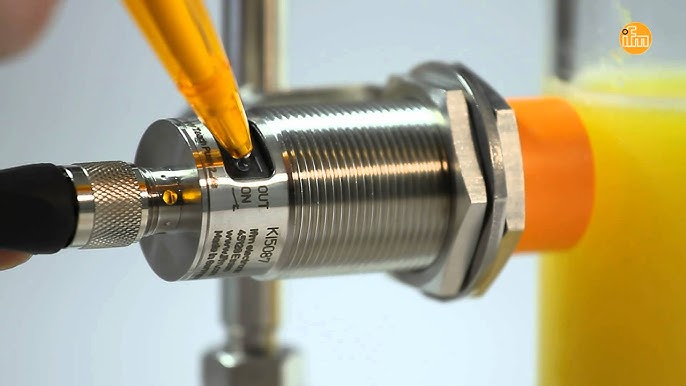
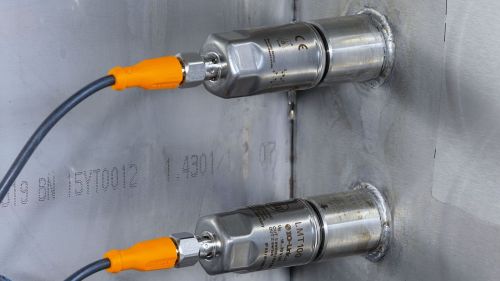
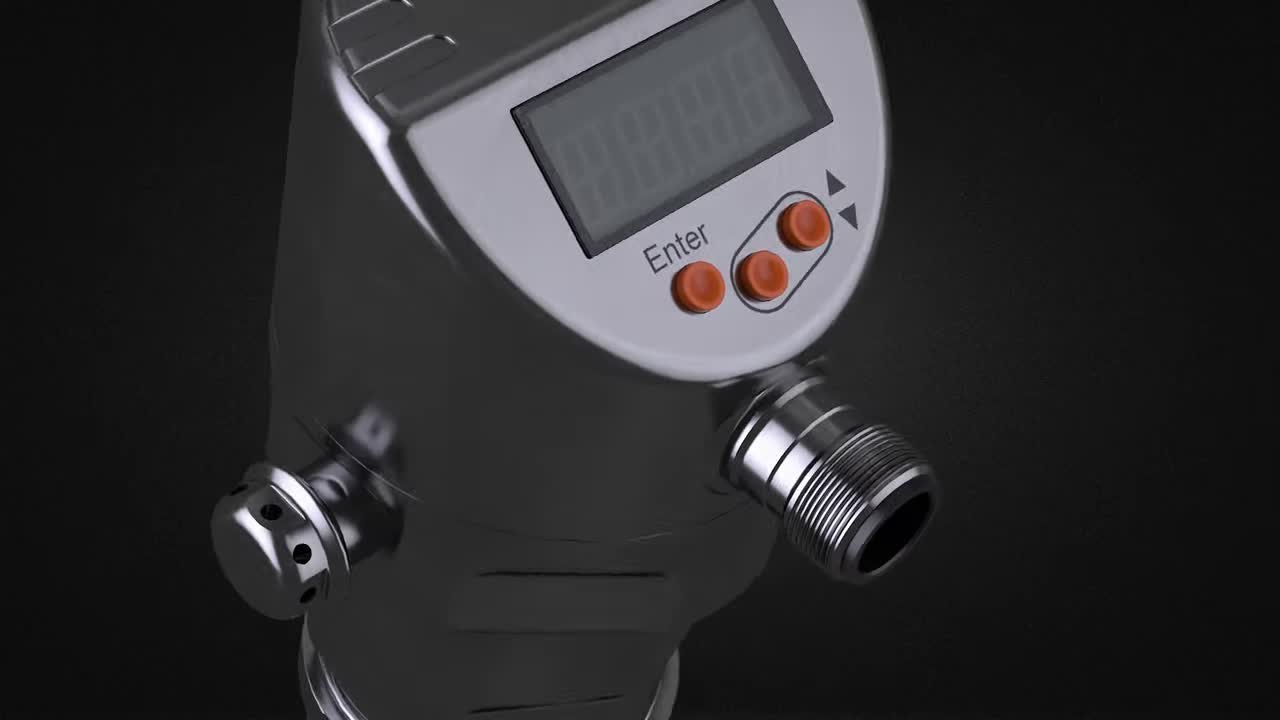
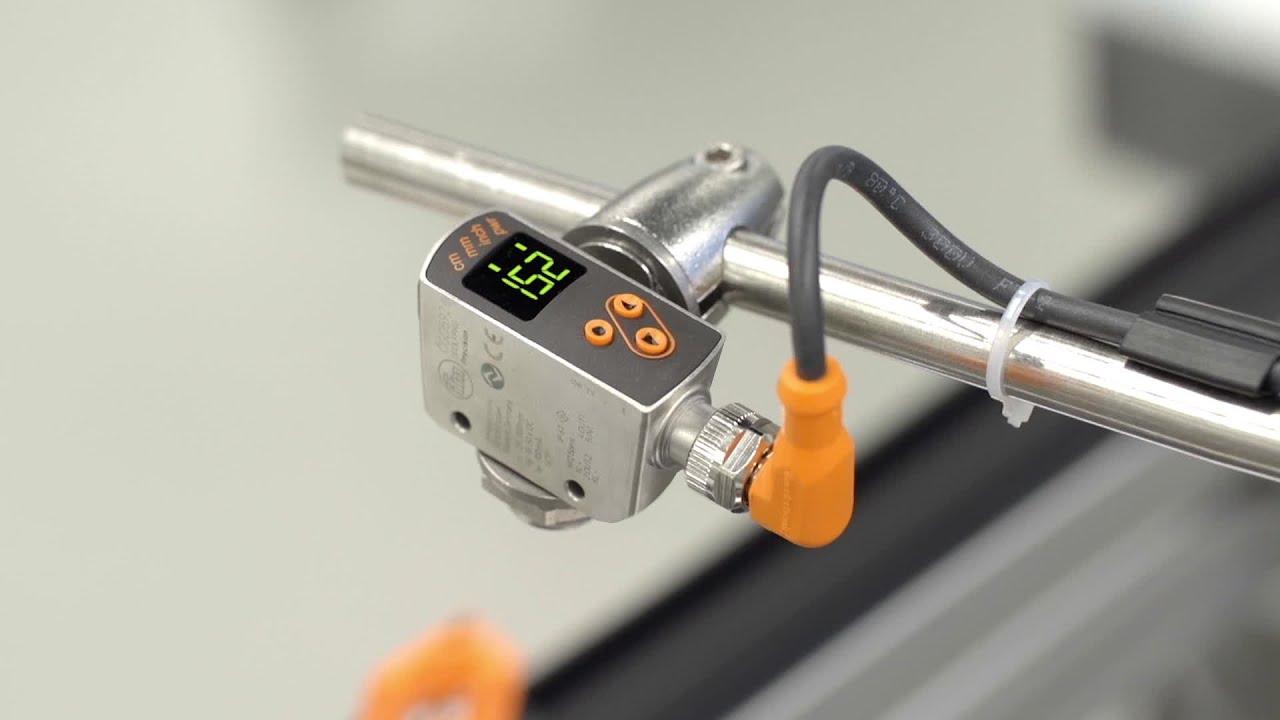
Explore various industries that benefit from the IFM level sensor, including manufacturing, food and beverage, and wastewater management.
Provide examples of specific scenarios where level measurement is critical.
IFM level sensors are widely used in various industries for their reliability and versatility. They monitor liquid levels in water and wastewater management, ensuring effective treatment. In the food and beverage sector, they measure levels in tanks and silos without contamination risks due to non-contact technology.
Chemical manufacturing uses these sensors for safe monitoring of volatile substances, while the oil and gas industries benefit from their precision in harsh conditions. Their adaptability facilitates integration into automation systems, enhancing efficiency and safety in industrial operations.
Let us know your Requirement
Feel free to reach us by filling up enquiry form, let us know your requirement to serve you better way!