
level Probe
level probes play a vital role in liquid level measurement across various industries. Understanding their types, applications, and benefits can help organizations make informed decisions, ensuring safety and efficiency in their operations.
Enquire Now
Level Probe
Level probes are essential tools in various industries for monitoring and controlling liquid levels in tanks, vessels, and other containers. These devices, often referred to as liquid level sensors or level measurement devices, provide accurate readings that help ensure safety, efficiency, and reliability in operations. This blog post will explore the different types of level probes, their applications, and how they contribute to effective level measurement.
What is a Level Probe?
A level probe is a device designed to measure the level of liquids within a container.
Level probes employ technologies like capacitive, ultrasonic, and resistive methods to accurately measure liquid levels, preventing overflow and dry running that can cause significant damage.
Their integration into automated systems boosts efficiency and minimizes human error. Useful across various industries, including wastewater treatment and food processing, modern sensors offer real-time data and improved accuracy, promoting seamless operations and enhanced safety.
It typically employs various technologies such as capacitive, ultrasonic, or resistive methods to provide accurate readings.
Level probes are proactive devices that enhance operational efficiency by delivering real-time data for informed decision-making. Their advanced technologies improve process control, enabling prompt responses to changing conditions. For example, in wastewater treatment, these sensors provide timely alerts to prevent overflow and ensure compliance.
Their adaptability allows for specific applications, such as monitoring corrosive liquids or ensuring accuracy in food production, highlighting their critical importance across various industries.
Types of Level Probes
There are several types of level probes, each suited for specific applications and environments.
Among the most common types are resistive level probes, which function by measuring changes in electrical resistance as liquid levels rise or fall. Alternatively, capacitive level sensors utilize dielectric properties of liquids to detect levels accurately. Ultrasonic level probes, on the other hand, send sound waves to gauge liquid distance, making them ideal for challenging conditions.
Each type has its unique advantages depending on the application—whether low maintenance in water treatment or high precision in chemical processes. Ultimately, selecting the right level measurement device is crucial for optimizing performance and ensuring operational safety across diverse settings.
Common types include capacitive, ultrasonic, and radar level probes, each with unique advantages and disadvantages.
Applications of Level Probes – Level probes find diverse applications across multiple sectors, enhancing operational efficiency and safety. In the oil and gas industry, they monitor tank levels to prevent spills, while in pharmaceuticals, precise measurements ensure quality control during production. Additionally, these liquid level sensors are invaluable in water treatment facilities, where they facilitate compliance with environmental regulations by providing real-time data on water levels.
Their versatility allows for customization based on specific liquid properties or temperature variations, making them indispensable tools for maintaining optimal conditions in various industrial processes.
Applications of Level Probes
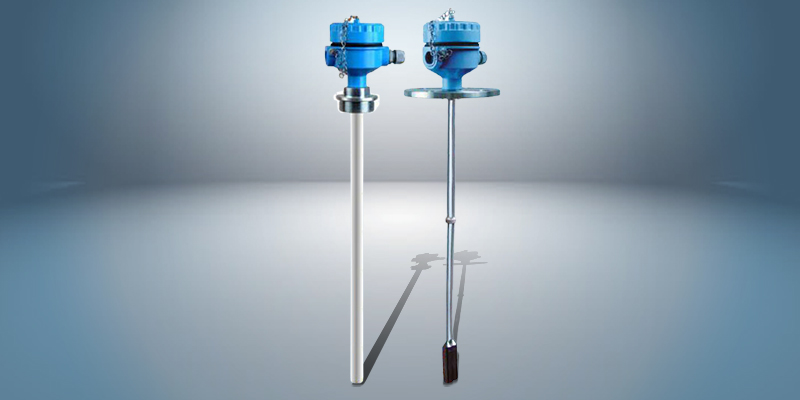
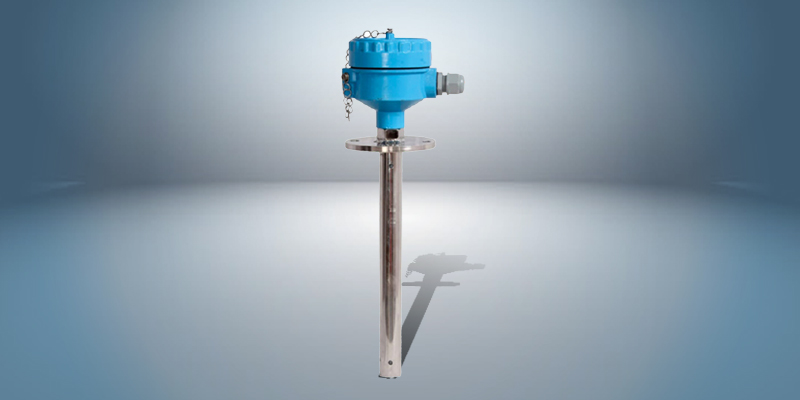
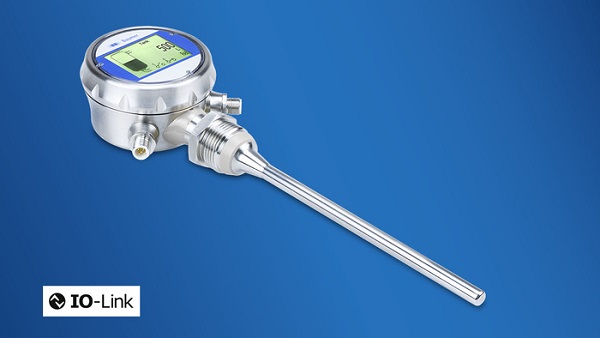
Level probes are used in various industries, from water treatment to chemical processing.
These devices help monitor liquid levels to prevent overflow, ensure proper mixing, and maintain safety standards.
Level probes are crucial in various industries, enhancing safety and efficiency. In the oil and gas sector, they monitor tank levels to prevent spills, while in pharmaceuticals, they ensure precise liquid measurements for quality control. Water treatment facilities use these sensors to adhere to environmental regulations by managing water levels with real-time data.
Their adaptability for different liquid properties and temperature variations makes level probes vital for optimizing processes across multiple applications.
Let us know your Requirement
Feel free to reach us by filling up enquiry form, let us know your requirement to serve you better way!