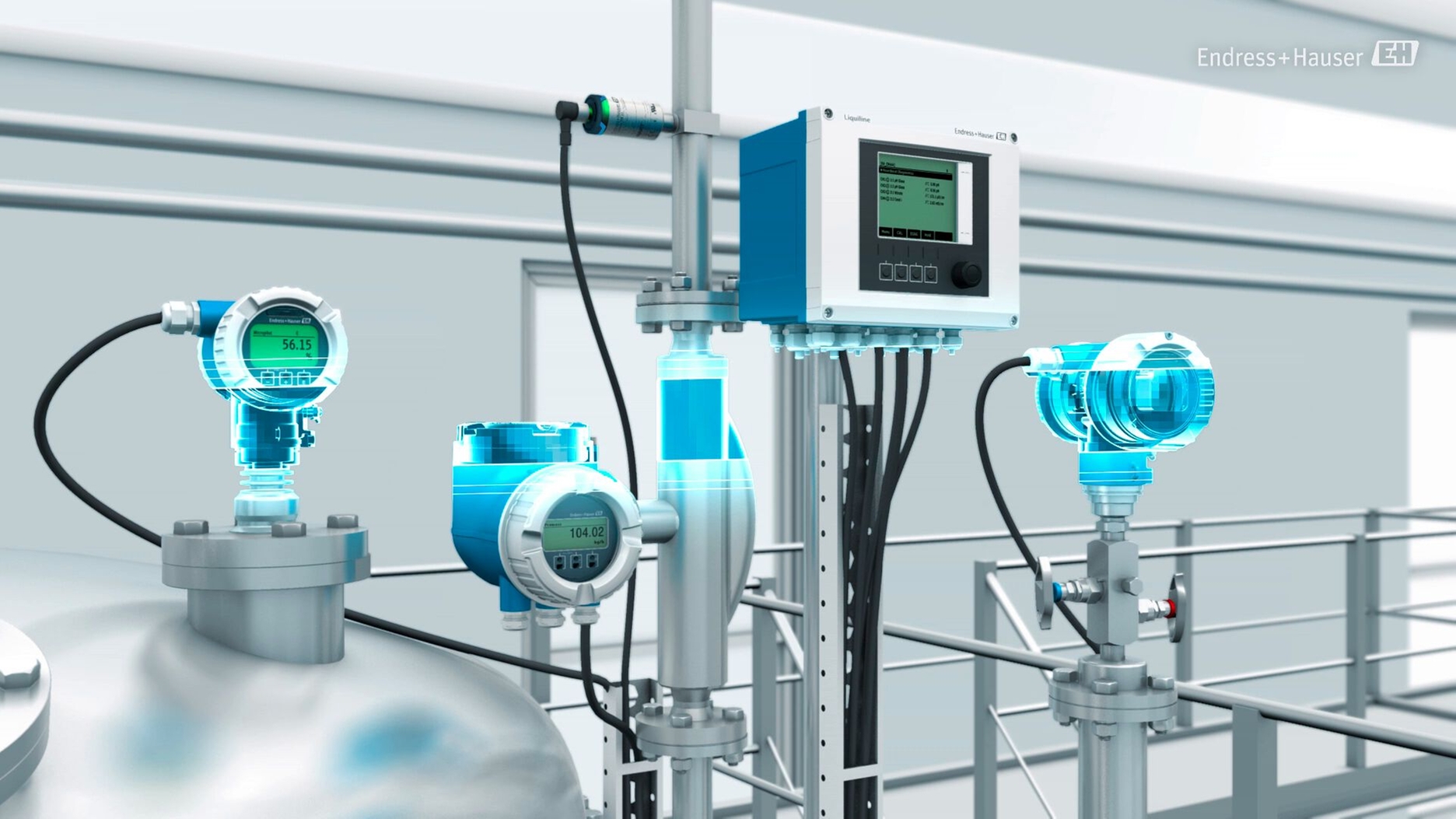
level Transmitter
A level transmitter is an essential instrument used in various industries to measure the level of liquids, slurries, or solids in a given container or environment.
Enquire Now
level Transmitter
A level transmitter is an essential instrument used in various industries to measure the level of liquids, slurries, or solids in a given container or environment. These devices provide critical data for process control, ensuring safety and efficiency in operations. In this blog post, we will explore the different types of level transmitters, their working principles, applications, and factors to consider when selecting one for your specific needs.
Types of Level Transmitters
There are several types of level transmitters available, including ultrasonic, capacitive, radar, and hydrostatic transmitters.
Each type operates on distinct principles, catering to a variety of applications. For instance, ultrasonic transmitters utilize sound waves to gauge liquid levels, while capacitive transmitters rely on changes in capacitance caused by the level variation. Radar transmitters employ microwave signals, offering high accuracy and reliability even in challenging conditions.
Hydrostatic transmitters measure pressure exerted by the liquid column, translating it into level readings. Understanding these mechanisms allows industries to choose the right transmitter that aligns with their specific operational requirements, ultimately enhancing efficiency and precision in measurement tasks.
Each type has its unique advantages and disadvantages depending on the application and the medium being measured.
When choosing a level transmitter, it’s essential to consider the medium type (liquid, solid, or slurry) and environmental factors such as temperature and pressure. Installation and maintenance requirements are also important.
For example, ultrasonic transmitters work well with clean liquids but are affected by foam or vapor, while radar transmitters are suitable for harsh conditions but are more expensive. By assessing these factors, industries can select the most effective level transmitter, enhancing operational performance and safety.
Working Principles
Level transmitters operate on various principles, such as time-of-flight, capacitance change, and pressure measurement.
The functionality of level transmitters is influenced by key principles. Time-of-flight systems, such as ultrasonics, measure sound wave return times for non-contact applications. Capacitive transmitters monitor changes in electrical capacitance for reliable measurements under varying conditions.
Pressure measurement techniques convert hydrostatic pressure into level readings, ensuring accuracy despite external factors. As industries seek greater precision, grasping these principles is essential for selecting the right technology to enhance processes and reduce risks linked to inaccurate level detection.
Understanding these principles helps users choose the most suitable transmitter for their specific application.
Applications – Level transmitters find applications across diverse sectors, including water treatment, food and beverage production, and petrochemical industries. In water treatment facilities, they monitor tank levels to optimize resource management and prevent overflows. The food industry employs these devices to ensure consistent ingredient levels, safeguarding product quality.
Meanwhile, petrochemical operations rely on level transmitters for safe storage tank monitoring to avert hazardous spills. By understanding these varied applications, professionals can appreciate the crucial role level transmitters play in maintaining operational integrity and safety across different environments.
Applications of Level Transmitters
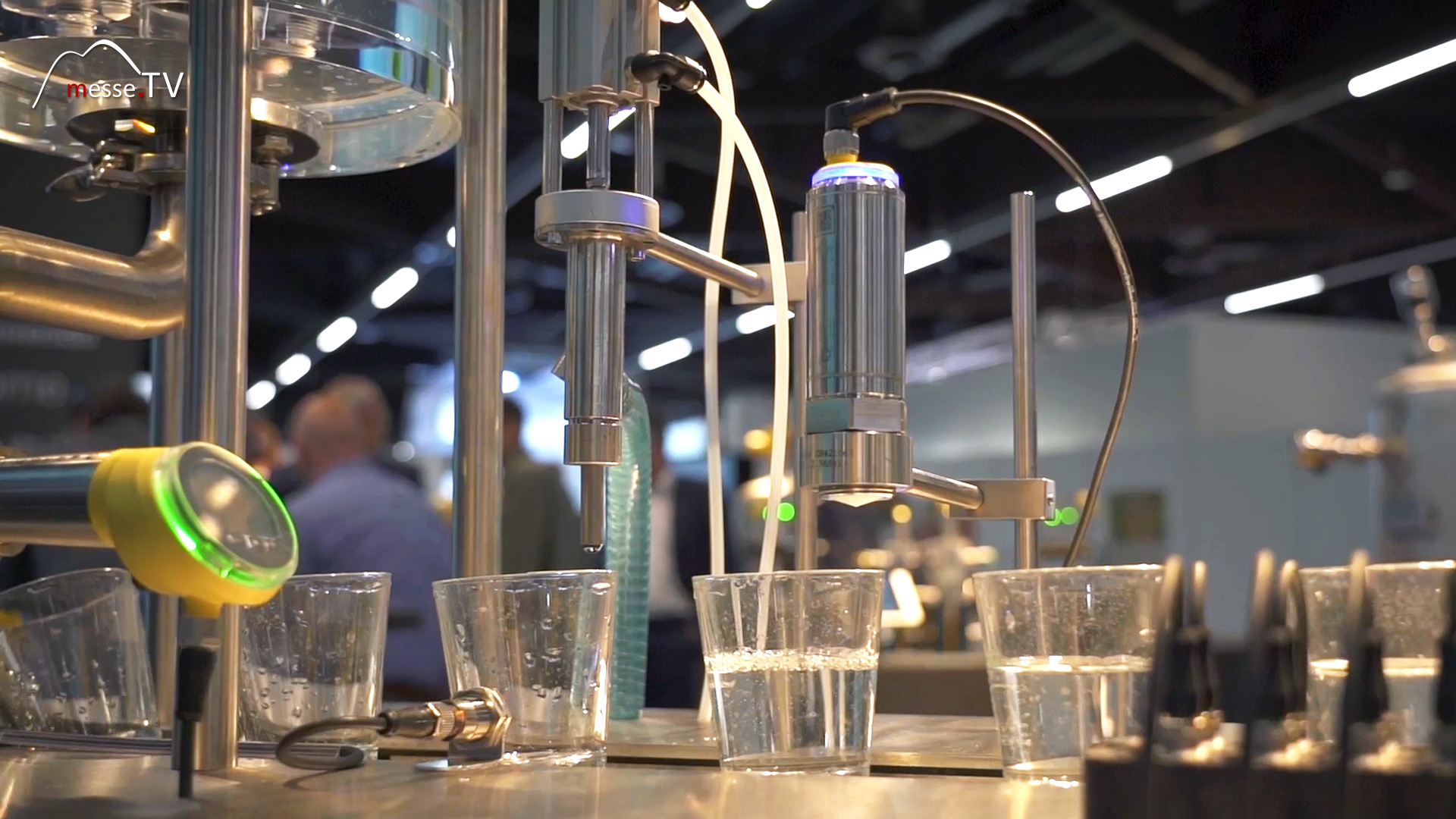
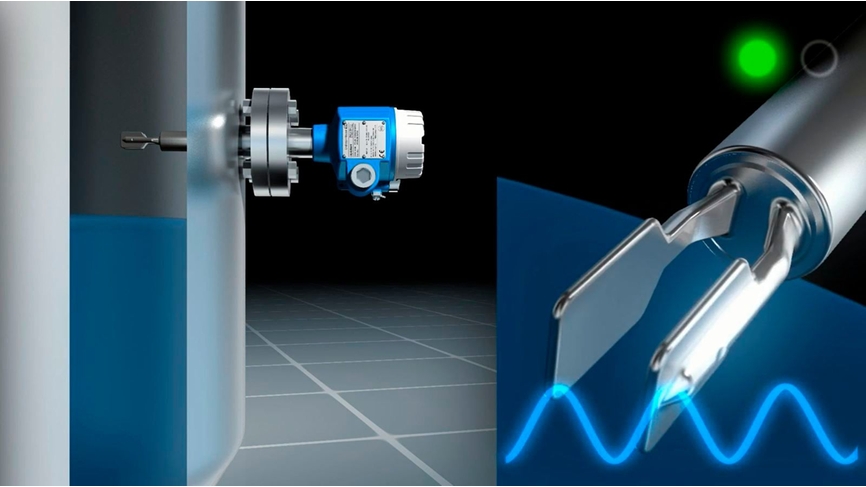
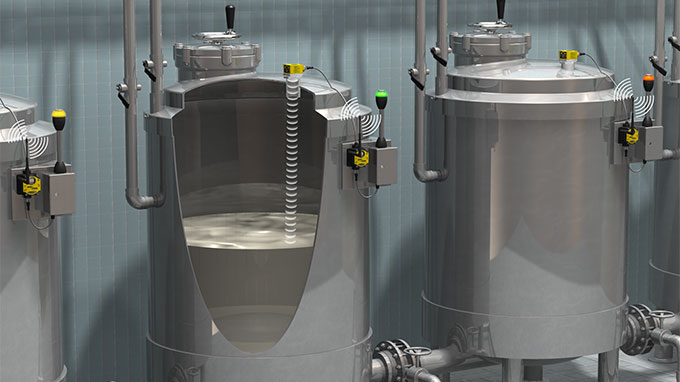
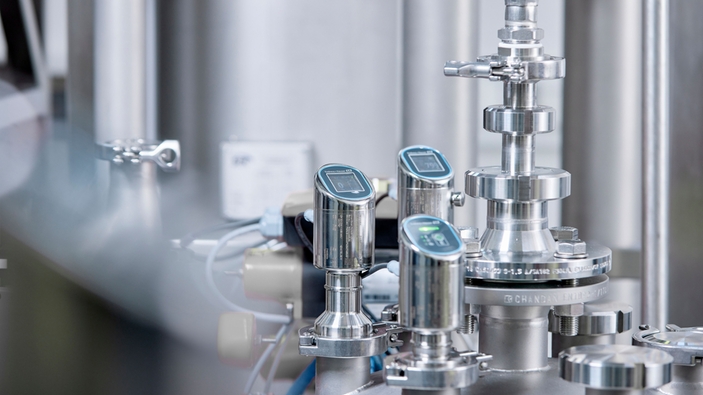
Level transmitters are widely used in industries such as water and wastewater treatment, food and beverage, oil and gas, and chemicals.
Each industry has specific requirements that influence the choice of level transmitter used.
Level transmitters are essential devices used in various industries to enhance efficiency and safety. In water treatment, they monitor tank levels to manage resources and prevent overflow. The food and beverage sector uses them to maintain ingredient levels, ensuring product quality and safety compliance.
In the petrochemical industry, they monitor storage tanks to prevent spills and protect the environment. Their versatility and reliability make them crucial for managing liquid, slurry, and solid levels across multiple applications.
Let us know your Requirement
Feel free to reach us by filling up enquiry form, let us know your requirement to serve you better way!